

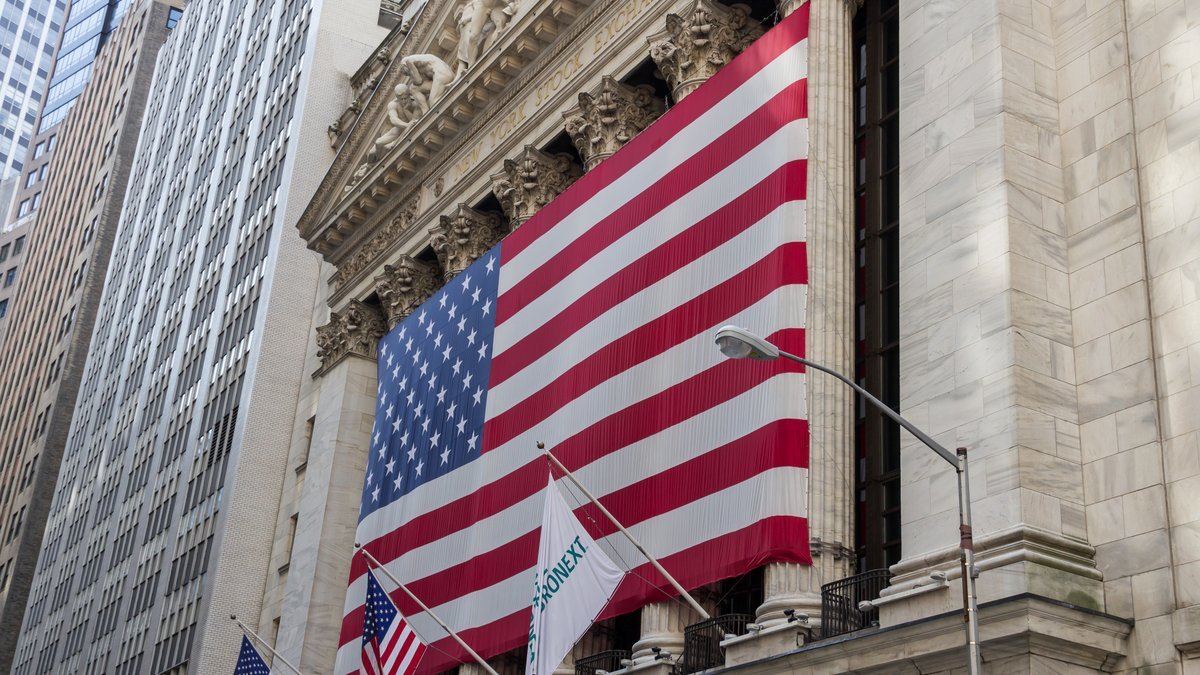
NEW YORK / WASHINGTON — U.S. equities staged a late-session comeback to push the Dow Jones Industrial Average past 50,182, even as investors digested hotter-than-expected inflation data and news that the USTR proposed 25% Section 301 tariffs on India alongside duties targeting more than a dozen trading partners.
Quick Summary: The Dow rebounded 164.25 points to 50,182.95 after Q3 U.S. GDP was revised up to 4.3% and Core PCE hit 3.3% year-over-year. Separately, the USTR proposed 25% Section 301 tariffs on India and up to 20% on 14 partners, with public hearings scheduled for January 25, 2027.
After choppy midday trading, buyers stepped in during the final hour, lifting the Dow Jones Industrial Average by 164.25 points to close at 50,182.95. The late-day rally reflected resilient corporate earnings expectations alongside fresh macroeconomic figures from the U.S. Bureau of Economic Analysis (BEA).
Key U.S. Economic & Trade Policy Indicators
| Indicator / Policy Action | Latest Reading / Proposal | Key Detail | Timeline / Status |
|---|---|---|---|
| Dow Jones Industrial Average | 50,182.95 (+164.25) | Late-session institutional rebound | Market close |
| U.S. Q3 GDP (Revised) | 4.3% annualized | Upward revision on consumer & business spend | BEA Q3 update |
| Core PCE Price Index | 3.3% YoY | Above Federal Reserve’s 2% target | Latest BEA print |
| USTR Section 301 (India) | 25% proposed tariff | Targets select Indian exports | Hearings: Jan 25, 2027 |
| USTR Section 301 (14 Partners) | Up to 20% proposed | Broad trade-practice review | Hearings: Jan 25, 2027 |
Strong 4.3% GDP Meets Sticky 3.3% Core PCE
Updated BEA data showed third-quarter U.S. GDP revised upward to an annualized 4.3%, underscoring firmer consumer spending and private investment than earlier estimates suggested. However, the Federal Reserve’s preferred inflation gauge—the Core Personal Consumption Expenditures (PCE) price index—rose 3.3% year-over-year, reinforcing expectations that policymakers will move cautiously on interest-rate cuts.
USTR Proposed 25% Section 301 Tariffs on India, Up to 20% on 14 Partners
On the trade front, the Office of the U.S. Trade Representative (USTR) unveiled a sweeping tariff package in which the USTR proposed 25% Section 301 tariffs on India, alongside proposed duties of up to 20% on 14 other trading partners. The USTR scheduled public hearings for January 25, 2027, giving industry groups, importers, and foreign governments an opportunity to submit testimony before any final duties take effect.
Cross-border equity desks are closely watching the interplay between U.S. trade policy and emerging-market flows, particularly after Indian benchmarks rallied sharply earlier in the week before consolidating near record territory. Export-oriented sectors in pharmaceuticals, textiles, and IT hardware could face heightened volatility as Washington’s January 2027 hearing date approaches.
Frequently Asked Questions (FAQs)
1. How did Wall Street close following the Q3 GDP and Core PCE data?
The Dow Jones Industrial Average staged a late-session rebound, rising 164.25 points to close at 50,182.95 after Q3 GDP was revised up to 4.3% and Core PCE came in at 3.3% year-over-year.
2. What duties were unveiled when the USTR proposed 25% Section 301 tariffs on India?
Under Section 301, the USTR proposed 25% tariffs on India alongside tariffs of up to 20% on 14 other trading partners.
3. When will the USTR hold public hearings on the proposed Section 301 tariffs?
Public hearings on the proposed tariffs are scheduled for January 25, 2027, before any final enforcement decisions are made.